
As families begin facing the realities of memory loss, dementia, or Alzheimer’s disease, it becomes clear that specialized environments, compassionate staff, and meaningful daily routines are essential for quality of life. Inspired Assisted Living is dedicated to providing this care through our dementia and memory care assisted living communities in Walnut Creek and Oakdale, CA. Our approach blends comfort, safety, dignity, and individualized attention—ensuring seniors experiencing cognitive decline are not just housed, but truly supported.
Whether you are searching for a memory care facility for a loved one, exploring senior living memory care as a family, or learning about dementia care home services, this guide will help you understand your options, evaluate what matters most, and take the next steps with confidence.
How To Choose The Right Memory Care Facility In Walnut Creek
Benefits Of Assisted Living Memory Care In Oakdale, CA
Dementia Care Home Services In Walnut Creek & Oakdale
Understanding Memory Care: What Makes It Different
Families are often surprised to learn how different a memory care community is from a standard senior living setting. While many seniors thrive in independent living or traditional assisted living, individuals with dementia require an environment designed around their emotional, physical, and cognitive needs.

Memory care services specialize in:
- Safety design to prevent wandering or confusion
- Predictable routines to reduce anxiety
- Calm sensory environments
- Staff trained in dementia-specific communication
- Assistance with hygiene, daily tasks, and medication
- Engagement in purpose-driven and therapeutic activities
Unlike general senior communities, dementia care homes are built to support memory loss holistically. The design of the physical environment matters as much as the compassion of the staff. Residents deserve familiarity, gentle encouragement, and social interaction tailored to their unique stage of cognitive decline.
At Inspired Assisted Living, our memory care homes provide all of these elements, helping residents feel secure, respected, and connected to their surroundings.
Why Families Seek A Secure Memory Care Community
The first years of cognitive challenges may feel manageable at home. But with time, dementia often becomes overwhelming for families and unsafe for the individual living with it. Forgetfulness gradually shifts into disorientation, behavioral changes, or physical risk, especially when wandering or nighttime confusion becomes more frequent.
Families typically begin looking for memory care for one of the following reasons:
Safety Concerns
A loved one who forgets to turn off the stove, becomes lost on walks, or wakes up disoriented at night needs reliable protection. A secure memory care community offers built-in safety—with keypad entry, discreet monitoring, and staff available 24/7.
Declining Quality of Life
When dementia progresses, the daily environment can feel stressful, overstimulating, or confusing. Specialized senior living memory care helps residents maintain calm and confidence through structured routines and soothing surroundings.
Caregiver Exhaustion
Spouses, children, or family caregivers often reach a point of physical and emotional burnout. Memory care provides essential relief, allowing caregivers to step back into a supportive role rather than primary caretakers.
Social Isolation
Dementia does not erase a person’s desire for interaction or connection. Living at home may unintentionally limit social opportunities, whereas memory care communities encourage healthy relationships and engagement.
Searching for the right memory care home is not just a practical decision—it is an act of love. Your goal is to ensure dignity, reduce confusion, and preserve independence for as long as possible.
How To Choose The Right Memory Care Facility In Walnut Creek
Finding a memory care facility in Walnut Creek is not simply about selecting a building—it is about discovering an environment that nurtures your loved one’s cognitive, emotional, and social well-being. Families facing Alzheimer’s or other forms of dementia often feel overwhelmed by choices. Walnut Creek offers many senior living communities, but only a handful specialize in Alzheimer’s care assisted living with the kind of individualized support your family deserves. The right memory care residence goes beyond amenities—it should foster dignity, purpose, safety, and meaningful human connection.
Below are key considerations to guide your research process and give you confidence in your decision.
Evaluate the Level of Specialization
Memory care is not a service that can be casually added to an existing assisted living community. True dementia care is intentionally built from the ground up. The strongest facilities deliver programs designed specifically for memory loss and cognitive decline. When evaluating a facility, look for the following:
- Dedicated dementia-trained care teams who understand how memory diseases progress and how they impact behavior and communication.
- Staff-to-resident ratios appropriate for cognitive care, ensuring your loved one is not left unattended or consistently waiting for help.
- Therapeutic programs designed to slow decline and encourage connection, such as music therapy, reminiscence activities, brain games, or movement sessions.
- Sensory-friendly environments that minimize harsh lighting, loud noises, and overstimulating décor.
- Thoughtfully designed spaces that reduce stress and wandering, such as circular hallways, enclosed courtyards, and color-coded directional cues.
Walnut Creek families should look for communities that don’t just “allow memory care”—they live and breathe dementia support. At Inspired Assisted Living, caregivers specialize in understanding behavioral triggers, cognitive stimulation strategies, and compassionate communication techniques, ensuring residents are truly seen—not just monitored. That difference transforms daily life.
Observe Daily Life in Action
A memory care home should feel alive. Residents should be engaged, smiling, interacting, and doing activities that feel meaningful—not merely sitting alone in front of a TV. When touring, ask to observe:
- Group activities (games, crafts, music sessions, storytelling)
- Mealtime interactions (how residents are supported, whether socialization is encouraged)
- One-on-one engagement (staff helping residents with tasks or hobbies)
- Outdoor recreation or garden time
- Therapeutic programming (movement classes, sensory rooms, pet therapy)
Pay close attention to how staff speak to residents. Do they address residents respectfully, make eye contact, and use gentle, clear language? Or do they seem rushed and transactional? Also look at residents themselves:
- Do they appear relaxed, curious, or engaged?
- Are they drifting aimlessly, confused, or withdrawn?
- Are they interacting with their surroundings or staring at walls or screens?
These subtle signals tell you everything about a community’s culture. A healthy memory care environment nurtures dignity, joy, and human connection—not just basic supervision.
Consider Safety Without Sacrificing Comfort
Security is important, but it should never feel oppressive. A quality memory care facility incorporates safeguards that protect residents while also supporting independence.
Typical safeguards include:
- Controlled entry and exit
- Secure outdoor walking areas and courtyards
- Emergency call systems and alarms
- Mobility assistance and fall-prevention measures
- Staff presence at night
However, residents should not feel like they’re living in a hospital or locked ward. Look for communities that use calming design, natural light, wide hallways, and open common areas. If every door is locked, every hallway is narrow, or the space feels like a maze, residents may feel trapped or afraid. Thoughtfully designed memory care uses architecture to guide residents gently—not confine them.
Understand Their Approach to Alzheimer’s Care
Dementia presents differently in each person. Some experience confusion and sadness; others may struggle with agitation, sundowning, repetitive behaviors, or wandering. The best communities build strategies around individuality.
Ask how staff respond to:
- Anxiety or agitation
- Sundowning (late-day confusion or restlessness)
- Wandering tendencies
- Emotional confusion and memory lapses
- Sleep disruptions
- Accidents or personal care needs
You should also expect personalized care plans, not a generic “memory care package.” Homes that actively communicate with families, monitor behavior patterns, and adjust strategies over time provide the highest level of care.
Assess Staff Training and Longevity
Even the most beautiful facility cannot compensate for an inexperienced or inconsistent care team. Memory care demands specialized training—not just kindness.
Ask questions such as:
- Are caregivers trained specifically in Alzheimer’s and dementia?
- How frequently are they retrained, evaluated, or supported?
- What is the staff turnover rate?
- Are nurses or health professionals present on-site or only on call?
- Does the care team collaborate with families to update plans?
Long-term relationships matter. People living with dementia thrive when caregivers know their personal history, favorite hobbies, sensitivities, and daily rhythms. That familiarity builds trust—something your loved one will rely on as their needs change.
Look at the Environment Through Their Eyes
Step into the space and imagine how your loved one might experience it. Dementia affects how individuals perceive light, depth, color, and spatial layout. Environments can either calm or overwhelm them.
- Will they feel peaceful here, or overstimulated?
- Are rooms cluttered or visually confusing?
- Are common spaces inviting or cold and clinical?
- Is outdoor access easy, safe, and frequent?
- Do private rooms allow for personal décor or cherished belongings?
A true memory care home encourages autonomy. It should provide gentle stimulation—music, art, nature, conversation—without chaos. Good environments support familiar routines and reduce distress rather than forcing residents to adapt.
Ask About Family Involvement
Choosing a memory care home is not the end of your role—it is the beginning of a new partnership. The right facility honors family insights and stays in communication.
Look for:
- Transparent communication policies
- Regular updates on mood, health, or behavioral changes
- Collaborative care planning
- Encouraged visits and participation
- Resources to help families understand dementia
Communities like Inspired Assisted Living treat families as part of the care circle—not as visitors. The more your loved one is known by those around them, the more comfortable and supported they will feel.
Benefits Of Assisted Living Memory Care In Oakdale, CA
Oakdale is known for its quiet, welcoming atmosphere—an ideal backdrop for seniors seeking peace, stability, and meaningful human interaction. Far from the noise of dense city environments, life in Oakdale offers room to breathe, walk, reflect, and engage. Here, residents of Inspired Assisted Living’s Oakdale community receive more than daily support—they gain a lifestyle designed around emotional calm, personal dignity, and purposeful activity. Assisted living memory care in Oakdale is not just a service—it is a way of living that accommodates every stage of dementia with warmth and intention.
Peaceful Surroundings Reduce Anxiety
Individuals with dementia are highly sensitive to changes in environment. Sudden noises, crowded spaces, or disorganized layouts can increase agitation and fear. Oakdale naturally offers the opposite: quiet, gentle surroundings that encourage a sense of familiarity and ease. Residents benefit from:
- A quiet suburban landscape that limits stress-inducing stimuli.
- Short, intuitive walking routes and enclosed outdoor spaces, ideal for safe exploration.
- A slower pace of life, which helps regulate social and emotional overwhelm.
- Natural sensory experiences like sunlight, fresh air, seasonal plants, and birdsong.
These features are more than pleasant—they are therapeutic. Calm environments support emotional stability, reduce daily confusion, and help residents orient themselves. Many families report that their loved ones’ moods soften, sleep improves, and agitation decreases once they experience Oakdale’s gentle surroundings. When the outside world feels manageable, the inside world becomes easier to navigate.
Daily Routines Promote Stability
Routine is one of the most powerful tools in memory care. Consistency gives residents a sense of control and grounding, even when short-term memory may fail. Inspired Assisted Living’s Oakdale team builds routines around the resident, not the convenience of staff schedules. Residents experience:
- Consistent mealtimes that create predictable rhythms.
- Familiar caregivers, which strengthens trust and reduces anxiety.
- Recognizable shared spaces, helping residents orient and move independently.
- Daily activity offerings that keep the mind and body active.
- Scheduled wellness checks, ensuring health changes are noticed early.
- Sleep-friendly schedules and quiet evening environments, supporting healthy rest.
For many individuals with dementia, uncertainty is frightening. A thoughtfully structured day helps residents feel steady, safe, and seen. Routine allows them to anticipate what comes next, reducing stress while encouraging participation in life around them.
Personalized Care for Every Stage of Dementia
No two residents experience cognitive decline the same way. A diagnosis is not an identity. Every person has memories, talents, preferences, occupations, and relationships that matter. Inspired Assisted Living approaches care from the standpoint of knowing the whole person. Each resident is evaluated holistically:
- Cognitive stage and processing needs
- Mobility considerations
- Behavioral tendencies or emotional triggers
- Personal history and life experiences
- Communication style
- Safety and fall risk
- Family input and unique goals
As cognitive needs evolve, care plans are revised. Early-stage memory loss requires different strategies than later-stage Alzheimer’s, and flexibility is essential. The goal is not to confine residents—it is to support their strengths, preserve dignity, and help them retain their sense of identity.
Social Engagement Prevents Isolation
Human connection remains meaningful, even when memories fade. Assisted living memory care encourages interaction at a level appropriate to each resident’s comfort and abilities. Residents engage with:
- Fellow community members
- Compassionate caregivers
- Activity coordinators and therapists
- Visiting family and friends
- Local volunteers, pet therapy teams, or entertainers
Programs may include art sessions, puzzles, music, light gardening, storytelling, and gentle movement or chair exercise. These gatherings are not simply “activities”—they are opportunities to spark recognition, share feelings, express creativity, and experience a sense of belonging. Even small social moments—laughing during a crafting session, singing along to familiar songs—can bring joy and reinforce confidence.
Enhanced Cognitive Stimulation
Mental engagement is a cornerstone of memory care. Purposeful activities stimulate neural pathways and help residents maintain emotional resilience, even as brain function changes. Examples include:
- Music therapy, which often unlocks memories and reduces agitation.
- Reminiscence sessions, using photos, personal objects, or storytelling.
- Sensory stimulation with textures, scents, and tactile tools.
- Guided conversation, encouraging meaningful interpersonal exchange.
- Life-skill stations, such as laundry folding or kitchen organization, to evoke familiar routines.
- Gentle puzzles and memory games designed for success—not frustration.
Oakdale’s relaxed environment supports deeper concentration and quieter cognitive work. Engaging the mind consistently allows residents to practice retained abilities and build emotional resilience.
Professional Support for Activities of Daily Living
Dementia may make everyday tasks confusing or overwhelming. Residents in Oakdale receive respectful support with:
- Bathing
- Dressing
- Grooming
- Meal assistance
- Mobility and transfers
- Medication reminders
- Personal hygiene
Caregivers approach each task with patience, empathy, and emotional awareness. Instead of rushing or “ordering” residents to comply, they use redirection, calm tone, and gentle encouragement. Residents maintain as much independence as possible, while knowing help is always available.

Comfort, Safety, and a Home-Like Lifestyle
Inspired Assisted Living is intentionally designed to feel like a home—not an institution. Private bedrooms allow personalization with photos, blankets, books, or familiar furniture. Common areas encourage conversation, rest, and shared enjoyment. Outdoor pathways provide fresh air, sunlight, and the ability to explore safely. This environment reinforces a powerful message: dementia does not erase identity. Our Oakdale community honors every individual’s history, personality, and humanity.
Dementia Care Home Services In Walnut Creek & Oakdale
Inspired Assisted Living’s dementia care home services revolve around real life—meaningful routines, emotional support, and environments where seniors feel safe. Our solutions integrate medical awareness, cognitive care strategies, nutrition, and social experience.
Here is what our communities provide every day:
Personalized Care Plans
No two dementia journeys are the same. We work with families and healthcare professionals to create care plans built around:
- Medical history
- Mobility challenges
- Behavioral tendencies
- Emotional triggers
- Preferred activities
- Cultural or spiritual preferences
- Communication style
These plans are adjusted frequently to reflect changes in ability or health.
24/7 Supportive Care Teams
Residents are never left to navigate confusion or discomfort alone. Care teams are available around the clock to provide help, reassurance, or companionship. Their presence ensures safety—not just physically, but emotionally. Team members are trained to:
- Redirect gently
- Recognize cognitive triggers
- Offer comfort and calm
- Encourage healthy movement
- Maintain respectful boundaries
- Protect independence
Consistency in staffing builds trust, which is essential for memory care home residents.
Secure Environments Without Confinement
Both Walnut Creek and Oakdale communities feature secure layouts to prevent wandering while still promoting serenity and accessibility. Residents enjoy:
- Locked access points
- Clearly marked hallways
- Safe walking paths
- Activity zones
- Peaceful sitting areas
- Access to fresh air
The design prioriti zes natural movement and independence within a protected space.
Nutrition & Mealtime Support
Memory care mealtimes are about dignity and simplicity. Instead of overwhelming choices, meals are structured, familiar, and sensory-friendly. We provide:
- Balanced nutrition
- Cooked meals prepared onsite
- Hydration support
- Assistance at the table
- Adaptive utensils when needed
- Food allergies and preferences respected
Mealtimes are social experiences—comforting, routine, and communal.
Medication Management
Medication schedules are maintained carefully to ensure stability and health. Trained staff coordinate with physicians, families, and pharmacies to manage:
- Prescriptions
- Time-sensitive medications
- Behavioral treatment medication
- Supplements or vitamins
Changes are communicated clearly so that families are always informed.
Gentle Health Monitoring
Memory care residents may not always express discomfort or health needs verbally. Care teams monitor behavioral cues and physical symptoms with attention and empathy. Observations include:
- Mood shifts
- Sleep changes
- Appetite changes
- Movement or mobility patterns
- Signs of anxiety or frustration
When something changes, families are notified and plans are reevaluated.
Activities That Support Mental and Emotional Wellness
Inspired Assisted Living’s programming is designed to help residents feel grounded, creative, and connected. Activities may include:
- Music engagement
- Craft projects
- Light exercise
- Gardening
- Reminiscence conversation
- Guided walks
- Daily rhythm routines
- Seasonal celebrations
- Sensory-friendly events
The goal of these activities is not simply entertainment—it is therapy and meaning.
When To Transition To Memory Care
Families frequently ask, “How do I know it’s time?” The answer often lies not in a single moment, but in ongoing patterns. You may want to consider transitioning to memory care when:
- Wandering becomes common
- Household accidents increase
- Hygiene is neglected
- Sleep cycles are disrupted
- New confusion appears
- Aggression or fear increases
- You’re becoming overwhelmed as a caregiver
- Medical needs become too complex
- Emotional well-being declines
Early placement often leads to smoother adjustment and stronger outcomes for residents. Waiting until a crisis makes the process harder for everyone.
Memory Care Is About More Than Care—It’s About Living
Dementia does not take away identity, personality, or humanity. It reshapes them. Inspired Assisted Living supports seniors wherever they are in their journey—with kindness, patience, and respect.
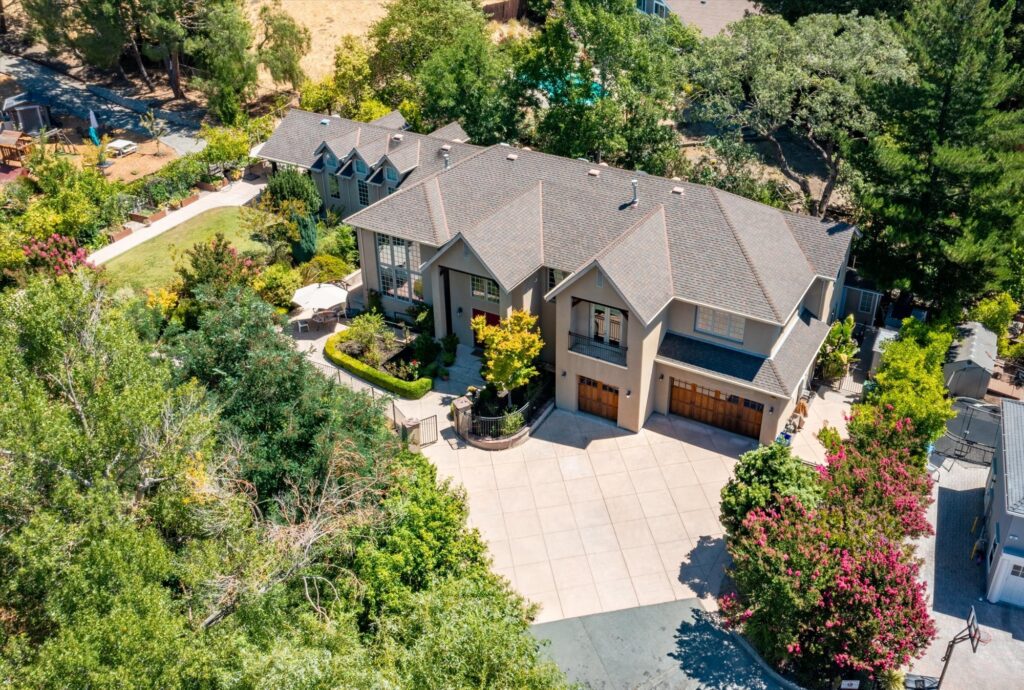
Our memory care facilities in Walnut Creek and Oakdale are not simply places to live. They are communities where residents:
- Are known by name
- Participate in meaningful routines
- Socialize daily
- Receive gentle assistance
- Move about safely
- Experience life at their pace
We believe in honoring memories, however they exist—past or present.
Take The Next Step
If you are ready to learn more about Inspired Assisted Living, we are here to help. Our team will answer your questions, discuss availability, and walk you through every step of the process.
We look forward to supporting you and your family.
Send a Message
Please use the form below to request a callback or schedule a tour. We respond to all inquiries promptly.